
Uncategorized
Wooden Pallets for Garden Projects That Last
Jul
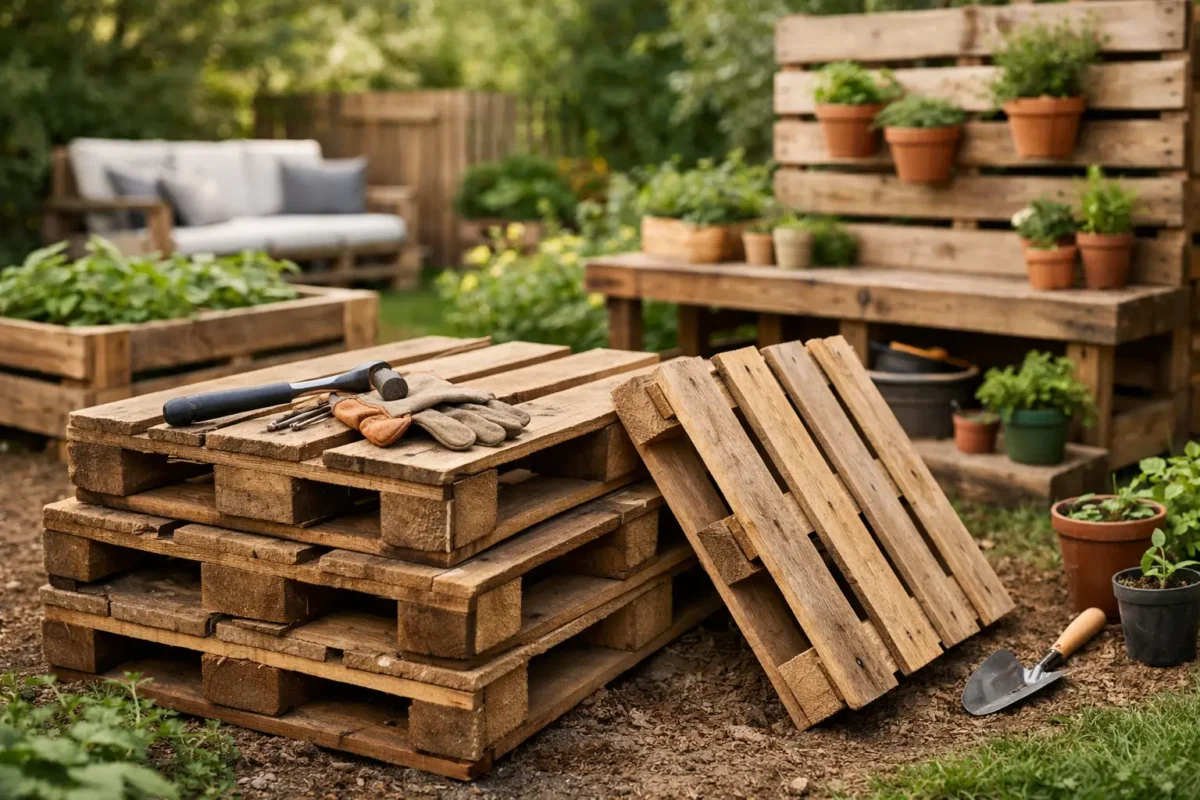
A good garden rarely comes together from showroom materials alone. Some of the most inviting outdoor spaces are built from timber with a bit of history – wood that already has texture, weathering and honest character. That is exactly why wooden pallets for garden projects remain such a practical favourite. Used well, they offer a cost-effective way to build useful features while bringing a more natural, timeworn look to the garden.
The appeal is obvious, but pallets are not all equal. Some are strong, clean and full of potential. Others are too damaged, too flimsy or simply unsuitable for long-term outdoor use. If you want a result that looks considered rather than makeshift, the difference lies in choosing the right pallet, preparing it properly and matching the material to the job.
Why wooden pallets for garden projects work so well
Pallet timber suits the garden because it already feels at home there. Unlike overly uniform new wood, reclaimed pallet boards often carry subtle variations in tone, grain and surface wear. That gives planters, seating and screens a more settled appearance from day one, rather than something that looks freshly dropped into place.
There is also the sustainability factor, which matters more than ever. Reusing timber that has already served a purpose keeps useful material in circulation for longer and reduces demand for newly processed wood. For homeowners and makers who care about responsible sourcing, pallets can be a sensible way to create something practical without sacrificing appearance.
They are also versatile. A single pallet can become a vertical herb garden, a compost bin side, a rustic bench back or a low store for pots and tools. When several matching pallets are available, larger projects such as raised beds, bin screens or garden furniture become much more achievable.
That said, pallet wood is not magic. It is best suited to projects where slight irregularity adds charm. If you need millimetre-perfect joinery or a refined indoor furniture finish, pallet boards can be more work than they are worth. In the garden, however, that lived-in quality is often part of the point.
Choosing the right pallets from the start
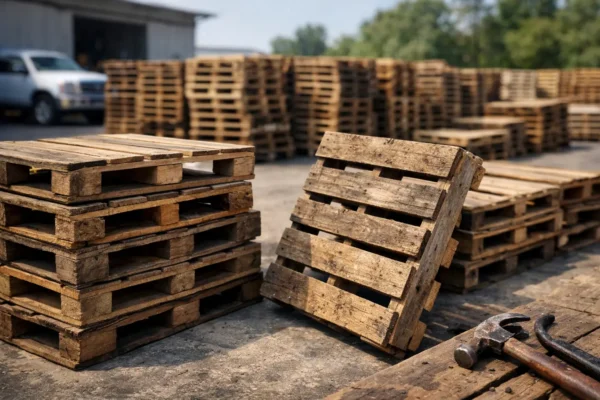
The strongest garden results usually begin before any sawing or sanding. A pallet that looks cheap for a reason often becomes false economy once you start repairing split boards or replacing weak sections.
Look first at condition. Sound pallets should feel solid under weight, with boards that are not rotten, heavily warped or deeply cracked. Surface wear is usually fine, and often desirable, but structural damage is another matter. If the timber has been soaked repeatedly and left to degrade, it may not stand up well outdoors even after treatment.
Size and board thickness matter too. Lightweight pallets can be useful for decorative features or wall-mounted projects, but heavier-duty pallets tend to offer better timber for benches, raised planters and storage. Denser boards generally take fixings more securely and last longer in exposed conditions.
It is also wise to think about provenance. In a heritage-minded, eco-conscious build, reclaimed timber with known sourcing will always feel like a better choice than anonymous scrap. That is one reason many buyers prefer speaking to a specialist supplier rather than taking whatever turns up behind an industrial unit. With a business such as Kay Allan Timber Merchants, the material quality and character are part of the value, not an afterthought.
What to check before using pallet wood outdoors
Before pallet timber goes anywhere near soil, seating or edible planting, it needs a proper check. This is where enthusiasm should give way to care.
Start by inspecting for contamination. Avoid pallets with oil stains, chemical spills, strong odours or signs that they have carried materials you would not want near your home or garden. Clean, dry pallets with a straightforward working history are the safer choice.
Then consider fixings. Old nails, staples and broken fasteners are common, and leaving them in place is asking for trouble. Remove anything loose or protruding, and check every board before cutting. One hidden fixing can ruin a blade quickly.
Preparation matters as well. Not every surface needs to be sanded perfectly smooth, but splintered edges and rough contact points should be tidied up, especially on seating, table tops or anything children may use. A light sanding can keep the reclaimed look while making the timber much more pleasant to handle.
Finally, think about protection. Outdoor timber benefits from a suitable finish, but there is a balance to strike. Some people prefer to preserve every mark and weathered tone, while others want a richer colour and added moisture resistance. Oils and exterior wood treatments can help extend the life of pallet projects, though no finish will compensate for poor timber or bad design.
Best uses for wooden pallets in the garden
Not every pallet project deserves the time it takes to build it. The most successful ones tend to combine simple construction with genuine day-to-day usefulness.
Raised beds and planters
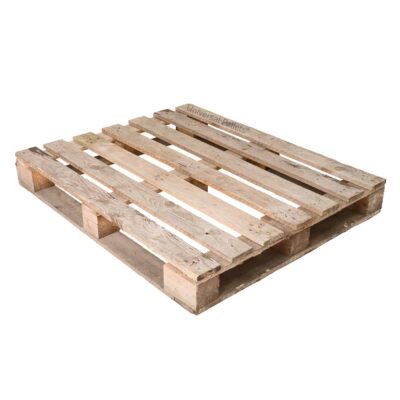
Pallet boards are often well suited to rustic planters and raised beds. Their weathered finish sits naturally among greenery, and the scale works well for herbs, salad leaves or ornamental planting. A deeper bed may need reinforcing at the corners, especially if it will hold a large volume of compost, but visually this is one of the easiest ways to make reclaimed timber look purposeful.
If you are growing food, line the inside appropriately and use only timber you trust. Good sourcing is especially important here.
Garden seating and tables
Pallet seating has become common, but there is a world of difference between a quickly stacked arrangement and a well-built piece that feels permanent. Strong pallets can form the base for benches, corner seating and coffee tables, particularly in relaxed garden rooms or patio areas.
The trade-off is comfort and finish. Seating needs careful sanding, reliable fixings and proper support. Cushions may soften the look, but they should not be used to disguise poor construction.
Screens, trellis and zoning
One of the smartest uses for pallet timber is creating structure within the garden. Screens can hide bins, define a seating area or provide support for climbing plants. In smaller gardens, these vertical elements help organise the space without the expense of more formal landscaping materials.
This is also where reclaimed wood shines aesthetically. Slight differences in tone and texture create depth, making the feature feel more established than freshly bought timber panels.
Storage and practical garden features
Pallets can also be turned into log stores, potting benches, tool racks and compost bays. These projects do not need a polished furniture-grade finish, which makes them ideal for timber with a rougher character. What matters more is strength, weather resistance and sensible construction.
The mistakes that make pallet projects look temporary
There is a reason some pallet builds look charming and others look abandoned. Usually, the problem is not the material itself but how it has been used.
Poor proportions are a common issue. A project that simply copies the size of the original pallet without considering the garden often feels clumsy. Trimming boards, adjusting heights and refining edges can make a huge difference.
Weak fixing is another problem. Outdoor furniture and structures need proper screws, bracing and stable footings where necessary. If a piece wobbles from the start, weather will only make it worse.
Then there is over-finishing. Trying to make reclaimed pallet wood look brand new often strips away the very character that made it attractive. A cleaner, safer surface is sensible. Erasing every mark is not always an improvement.
Making pallet timber last longer outdoors
Reclaimed wood has plenty of durability, but the garden is demanding. Rain, frost, soil contact and summer heat all take their toll over time.
The best defence is thoughtful design. Keep timber raised slightly off wet ground where possible. Allow air to circulate around structures. Avoid details that trap standing water. Even a simple planter will last longer if the boards can dry properly between downpours.
Maintenance should be realistic rather than obsessive. A yearly check for loose fixings, soft spots and failing finish is usually enough to prevent small issues becoming major repairs. Some projects will age beautifully with very little intervention. Others, particularly heavily used seating or work surfaces, may benefit from occasional retreating.
There is also value in accepting that outdoor reclaimed timber should weather. Silvering, soft tonal shifts and minor movement are part of its appeal. Long life does not always mean looking unchanged. It means ageing with integrity.
When pallet wood is the right choice – and when it is not
Wooden pallets for garden projects are at their best when you want practicality with character. They suit informal seating areas, kitchen gardens, utility builds and decorative features that benefit from a more relaxed, authentic finish. They are also a strong fit for anyone trying to build more sustainably without giving up on appearance.
But there are limits. If your garden design is highly polished and contemporary, heavily weathered pallet boards may jar with the setting unless used very deliberately. If a structure must carry serious load or last for many years in exposed conditions, more substantial reclaimed timber may be the better investment. It depends on the job, the finish you want and how much preparation you are willing to do.
The best garden materials do more than fill a space. They add warmth, usefulness and a sense that the place has grown over time. When chosen carefully and built with a bit of care, pallet timber does exactly that – giving old wood a new purpose in the open air, where character always counts.
